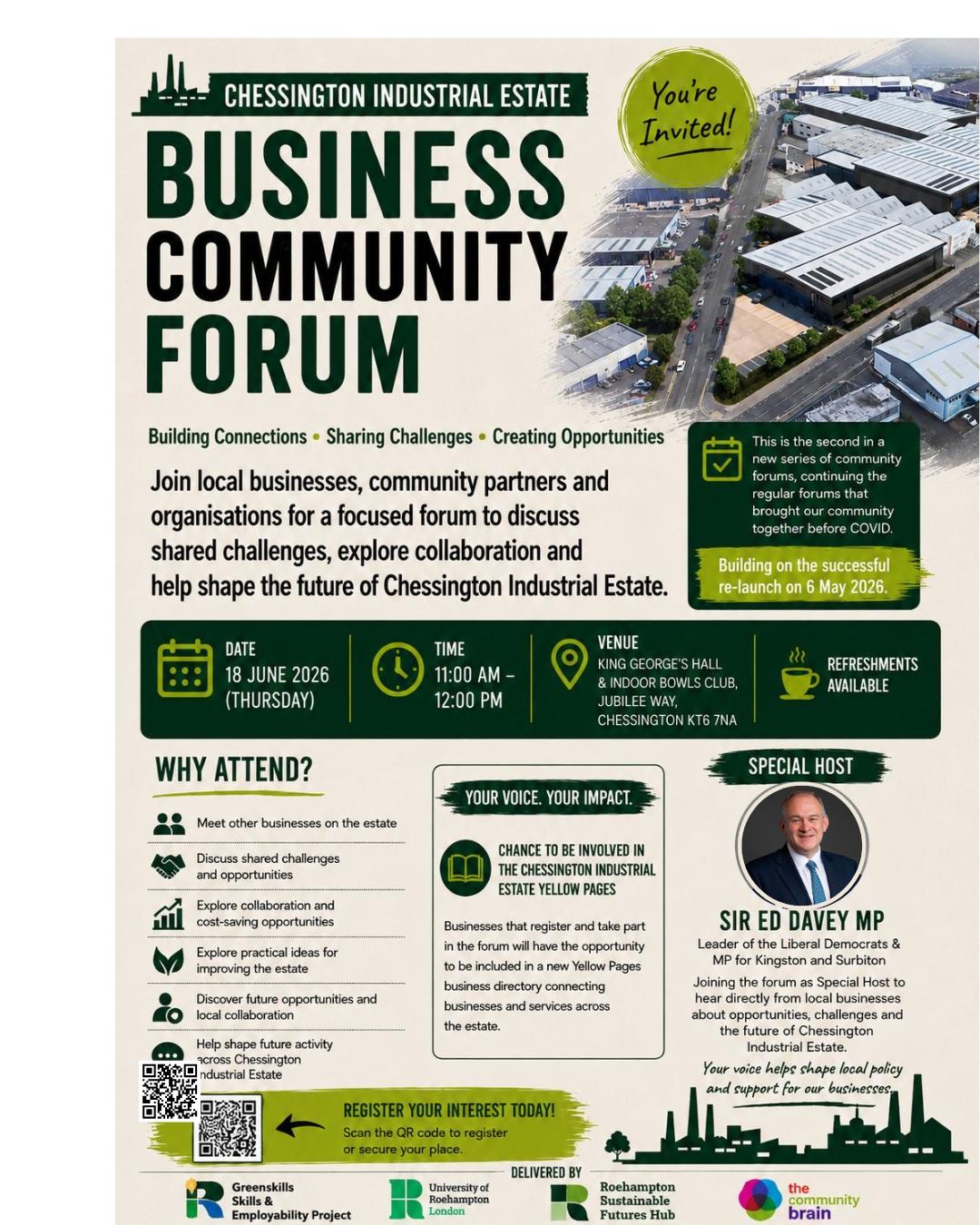
 18 June 2026
Chessington Industrial Estate 2nd Community Forum
The second community forum continuing the conversation on sustainability, green skills and local action at Chessington Industrial Estate.
Go Roehampton Sustainable Futures Hub
The Roehampton Sustainable Futures Hub (RSFH) is the University of Roehampton's platform for partnership‑driven sustainability, connecting academics, students, community groups, SMEs, NGOs and local authorities to co‑create evidence‑led environmental solutions across London.
Led by Associate Professor Ayse Demir, the Hub emerged from the award‑recognised Empowering Communities for a Sustainable Merton pilot, highlighted in UK Parliament, and now leads major initiatives that build community capacity, expand green skills and support applied research tackling real environmental challenges.
Our work spans climate action, air quality, green and living infrastructure, circular economy innovation and community‑centred sustainability learning.
We collaborate with partners including A Greener London, The Community Brain, Kingston Hive, Wandsworth Council, Kingston Council's Green Economy Team, Sustainable Merton, Putney Action Group and London‑based SMEs.
Our core initiatives are funded through the UK Shared Prosperity Fund (UKSPF) via the Mayor of London and BIG Growth, and include Green Skills for South London, the Air & Living Infrastructure Initiative, and the Kingston Hive Impact & Capacity Building Project.
The first pilot initiative (2024–2025) delivered by the Roehampton Sustainable Futures Hub, led by Dr. Ayse Demir in partnership with Sustainable Merton and funded through BIG South London (UK Shared Prosperity Fund). The project explored how research-led approaches can strengthen volunteer engagement and long-term community sustainability impact.
From urban gardening and zero-waste food distribution to community outreach and intergenerational collaboration, Roehampton students Jesutowo Fola-Alao, Uforo Sundasen and Aderonke Salau played a central role in supporting local climate action across Merton.
As student volunteer Eva Idugboe reflected: "I wanted to contribute to sustainability and get hands-on experience; it's inspiring how small efforts can make a big difference."
What the project delivered:
As our inaugural pilot, this project now forms the foundation for the Hub's expanded 2025–2026 and beyond sustainability programme.
The Air & Living Infrastructure Initiative (ALII) is one of the Roehampton Sustainable Futures Hub's flagship research and delivery projects. Focused on the critical challenge of urban air quality, ALII brings together world-class academic expertise and specialist environmental practice to develop evidence-based solutions that make London's communities healthier, greener and more resilient.
Led by Professor Ayse Demir and her multidisciplinary research team, the project in strategic partnership with A Greener London, represents exactly the kind of collaborative, impact-driven research the Hub was built to enable. Funded through the UK Shared Prosperity Fund via BIG Growth, the initiative translates environmental data into actionable strategies that communities, councils and planners can act on today.
The Challenge
Air pollution remains one of the most significant environmental health risks facing urban populations across London. From traffic emissions and industrial activity to inadequate green coverage in built-up areas, the air quality challenges facing London's communities are complex, localised and deeply interconnected with wider issues of health inequality, urban planning and climate resilience. ALII was designed to meet this challenge head-on — with rigour, collaboration and a genuine commitment to community benefit.
The Approach
ALII combines real-time air quality monitoring with applied research into the role of living infrastructure; green walls, street trees, living roofs and other nature-based interventions, in mitigating urban pollution. By collecting reliable, localised environmental data and analysing it through an academic lens, the initiative generates findings that are not only scientifically robust but practically useful. Every insight is designed to inform decisions, shape strategies and drive improvements in the environments where people live and work.
The Partnership
The strength of ALII lies in the depth of its partnership. The University of Roehampton leads the research component, ensuring methodological rigour, data integrity and academic quality. The initiative also provides a rich environment for student engagement and environmental innovation, connecting learning directly to real-world impact. A Greener London contributes specialist expertise in air quality monitoring systems, green infrastructure implementation and stakeholder engagement; translating research into practical, scalable solutions that can be adopted across London boroughs and beyond. Together, this partnership bridges the gap between research and practice, delivering measurable insights that neither partner could achieve alone.
The Impact
ALII is already generating tangible outcomes; from monitoring data that sheds new light on localised pollution patterns, to green infrastructure pilots that demonstrate what is possible when cities invest in nature-based solutions. The initiative contributes directly to London's broader sustainability and net zero ambitions, offering a replicable model for evidence-led environmental action that other cities and regions can learn from and build upon.
This is what purposeful partnership looks like. When academia and industry align around a shared purpose; improving air quality, strengthening sustainable infrastructure and building healthier communities - the results speak for themselves.
The Kingston Hive Impact, Learning & Capacity Building Project is one of the Roehampton Sustainable Futures Hub's active collaborative partnerships, focused on embedding practical, proportionate approaches to evaluation, shared learning and organisational development within a thriving, volunteer-led community space. Delivered under the UK Shared Prosperity Fund (UKSPF) / BIG Growth framework and led by Professor Ayse Demir, this project represents exactly how the Hub believes change should happen: community-led, evidence-informed and proportionate by design.
The partnership works alongside Kingston Hive to strengthen how community impact is reflected, evidenced and communicated; not through top-down assessment, but through co-designed approaches that respect the values, pace and capacity of a volunteer-driven organisation.
The Challenge
Volunteer-led community organisations like Kingston Hive deliver extraordinary value, through repair cafés, sustainability education, workshops and local action, yet often struggle to capture and communicate that value in ways that satisfy funders without placing unsustainable administrative burdens on the very people doing the work. The Kingston Hive project was designed to solve exactly that tension: building robust, funder-ready evidence while preserving the flexibility and responsiveness that makes community-led spaces effective.
The Approach
Through a combination of field observation, impact and evaluation design, and shared learning processes, the partnership generates insight in real time rather than through retrospective assessment. This enables continuous reflection and adaptation as activities evolve; strengthening internal understanding of what works and why. The co-designed evaluation framework is intentionally proportionate, avoiding administrative burden while generating clear, credible evidence that supports both internal learning and external reporting.
The Partnership
The University of Roehampton contributes academic direction, evaluation design expertise and two-way knowledge exchange; bringing rigour and structure to the partnership while remaining responsive to Kingston Hive's community-led priorities. Kingston Hive brings its deep knowledge of local need, volunteer capacity and community context, ensuring that every approach developed is grounded in the reality of how the organisation actually works. Together, the partnership supports UKSPF priorities across collaborative organisational development, knowledge exchange, improved clarity in evaluation and reporting, and strengthened internal monitoring practices.
The Impact
As a result of this partnership, Kingston Hive's capacity to clearly articulate the value and outcomes of its community-led work is being strengthened in a way that is proportionate, flexible and well suited to a volunteer-led model. The project enhances confidence and consistency in evaluation, improves funder-ready reporting, and supports the kind of continuous internal learning that helps community organisations grow sustainably; on their own terms.
Community-led. Evidence-informed. Proportionate by design.
Green Skills for South London is a knowledge exchange and community and business development initiative at the University of Roehampton. Funded by the Mayor of London through the UK Shared Prosperity Fund (UKSPF), the project is led by Professor Ayse Demir in partnership with Community Brain. It builds practical green skills within South London SMEs, university students and communities through hands-on training, applied learning, and a train-the-trainer model.
The Challenge
South London's SMEs and communities are navigating the transition to a green economy without always having access to the practical tools, knowledge or networks they need. Sustainability can feel abstract, costly or irrelevant to day-to-day business operations. This project was designed to change that — making green skills accessible, actionable and directly relevant to real businesses and real communities.
The Approach
Through a train-the-trainer model, businesses act as both beneficiaries and multipliers — gaining skills themselves while building capacity to spread knowledge further. Delivery includes training materials, workshops, applied learning activities and a hackathon-style collective workshop, bringing together SMEs and university students to focus on collaboration and the practical application of green skills. Key focus areas include supporting SMEs to improve sustainability practices using action-oriented, business-relevant tools and language.
The Partnership
The project is led by Professor Ayse Demir at the University of Roehampton, whose academic team oversees project direction, learning design and delivery. Roehampton students contribute through applied learning activities, collaboration with SMEs, and participation in workshops and training sessions — gaining practical experience alongside academic learning. Community Brain is a key project partner, bringing deep place-based knowledge and long-standing relationships with local businesses and industrial communities, particularly within Chessington Industrial Estate. Their trust-first, community-led engagement model ensures project activity remains grounded, practical and business-led.
The Impact
The project contributes to UKSPF priorities including non-financial SME support (OP11), knowledge transfer (OC10), improved organisational productivity (OC12) and adoption of improved internal processes (OC13). By connecting academic expertise, community trust and business relevance, Green Skills for South London is helping to build a greener, more resilient local economy — one business and one community at a time.
The first pilot initiative (2024–2025) delivered by the Roehampton Sustainable Futures Hub, led by Dr. Ayse Demir in partnership with Sustainable Merton and funded through BIG South London (UK Shared Prosperity Fund).
From urban gardening and zero-waste food distribution to community outreach and intergenerational collaboration, Roehampton students Eva Idugboe, Jesutowo Fola-Alao, Uforo Sundasen and Aderonke Salau played a central role in supporting local climate action across Merton.
As student volunteer Eva Idugboe reflected: "I wanted to contribute to sustainability and get hands-on experience; it's inspiring how small efforts can make a big difference."
What the project delivered:
This project now forms the foundation for the Hub's expanded 2025–2026 sustainability programme. Learn more →
The Air & Living Infrastructure Initiative (ALII) is one of the Roehampton Sustainable Futures Hub's flagship research and delivery projects. Focused on the critical challenge of urban air quality, ALII brings together world-class academic expertise and specialist environmental practice to develop evidence-based solutions that make London's communities healthier, greener and more resilient.
Led by Professor Ayse Demir and her multidisciplinary research team, and delivered in strategic partnership with A Greener London, ALII represents exactly the kind of collaborative, impact-driven research the Hub was built to enable. Funded through the UK Shared Prosperity Fund via BIG Growth, the initiative translates environmental data into actionable strategies that communities, councils and planners can act on today.
The Challenge
Air pollution remains one of the most significant environmental health risks facing urban populations across London. From traffic emissions and industrial activity to inadequate green coverage in built-up areas, the air quality challenges facing London's communities are complex, localised and deeply interconnected with wider issues of health inequality, urban planning and climate resilience. ALII was designed to meet this challenge head-on; with rigour, collaboration and a genuine commitment to community benefit.
The Approach
ALII combines real-time air quality monitoring with applied research into the role of living infrastructure; green walls, street trees, living roofs and other nature-based interventions, in mitigating urban pollution. By collecting reliable, localised environmental data and analysing it through an academic lens, the initiative generates findings that are not only scientifically robust but practically useful. Every insight is designed to inform decisions, shape strategies and drive improvements in the environments where people live and work.
The Partnership
The strength of ALII lies in the depth of its partnership. The University of Roehampton leads the research component, ensuring methodological rigour, data integrity and academic quality. A Greener London contributes specialist expertise in air quality monitoring systems, green infrastructure implementation and stakeholder engagement; translating research into practical, scalable solutions that can be adopted across London boroughs and beyond. Together, this partnership bridges the gap between research and practice, delivering measurable insights that neither partner could achieve alone.
The Impact
ALII is already generating tangible outcomes; from monitoring data that sheds new light on localised pollution patterns, to green infrastructure pilots that demonstrate what is possible when cities invest in nature-based solutions. The initiative contributes directly to London's broader sustainability and net zero ambitions, offering a replicable model for evidence-led environmental action that other cities and regions can learn from and build upon.
This is what purposeful partnership looks like. When academia and industry align around a shared purpose, the results speak for themselves.
The Kingston Hive Impact, Learning & Capacity Building Project is an ongoing collaborative partnership between the University of Roehampton and Kingston Hive, led by Professor Ayse Demir under the UK Shared Prosperity Fund (UKSPF) / BIG Growth framework.
The project works alongside Kingston Hive to strengthen how community impact is reflected, evidenced and communicated, through co-designed, proportionate approaches that respect the values and capacity of a volunteer-led organisation.
The Challenge
Volunteer-led organisations like Kingston Hive deliver extraordinary value but often struggle to capture and communicate it without placing unsustainable burdens on their teams. This project was designed to solve exactly that, building funder-ready evidence while preserving the flexibility that makes community-led spaces effective.
The Approach
Through field observation, evaluation design and shared learning processes, the partnership generates insight in real time rather than retrospectively; enabling continuous reflection and adaptation as activities evolve, and strengthening understanding of what works and why.
The Partnership
The University of Roehampton contributes academic direction and evaluation design expertise, while Kingston Hive brings deep local knowledge and community context. Together they support UKSPF priorities across organisational development, knowledge exchange and strengthened internal monitoring.
The Impact
Kingston Hive's capacity to clearly articulate the value of its community-led work is being strengthened in a way that is proportionate, flexible and well suited to a volunteer-led model; improving confidence in evaluation, funder-ready reporting and continuous internal learning.
Community-led. Evidence-informed. Proportionate by design.
Green Skills for South London is a knowledge exchange and community and business development initiative at the University of Roehampton, funded by the Mayor of London through the UK Shared Prosperity Fund (UKSPF), led by Professor Ayse Demir in partnership with Community Brain.
The project builds practical green skills within South London SMEs, university students and communities through hands-on training, applied learning, and a train-the-trainer model — bringing together NGOs, SMEs and universities to deliver activity aligned with funder priorities and real-world business needs.
The Challenge
South London's SMEs and communities are navigating the transition to a green economy without always having access to the practical tools, knowledge or networks they need. This project was designed to make green skills accessible, actionable and directly relevant to real businesses and real communities.
The Approach
Through a train-the-trainer model, businesses act as both beneficiaries and multipliers. Delivery includes training materials, workshops, applied learning activities and a hackathon-style collective workshop, bringing together SMEs and university students to focus on collaboration and the practical application of green skills.
The Partnership
Led by Professor Ayse Demir at the University of Roehampton, the project partners with Community Brain, who bring deep place-based knowledge and long-standing relationships with local businesses — particularly within Chessington Industrial Estate. Their trust-first, community-led engagement model ensures activity remains grounded, practical and business-led.
The Impact
The project contributes to UKSPF priorities including non-financial SME support (OP11), knowledge transfer (OC10), improved organisational productivity (OC12) and adoption of improved internal processes (OC13). Green Skills for South London is helping to build a greener, more resilient local economy — one business and one community at a time.
Collaborating across sectors to accelerate sustainability, skills, and innovation.
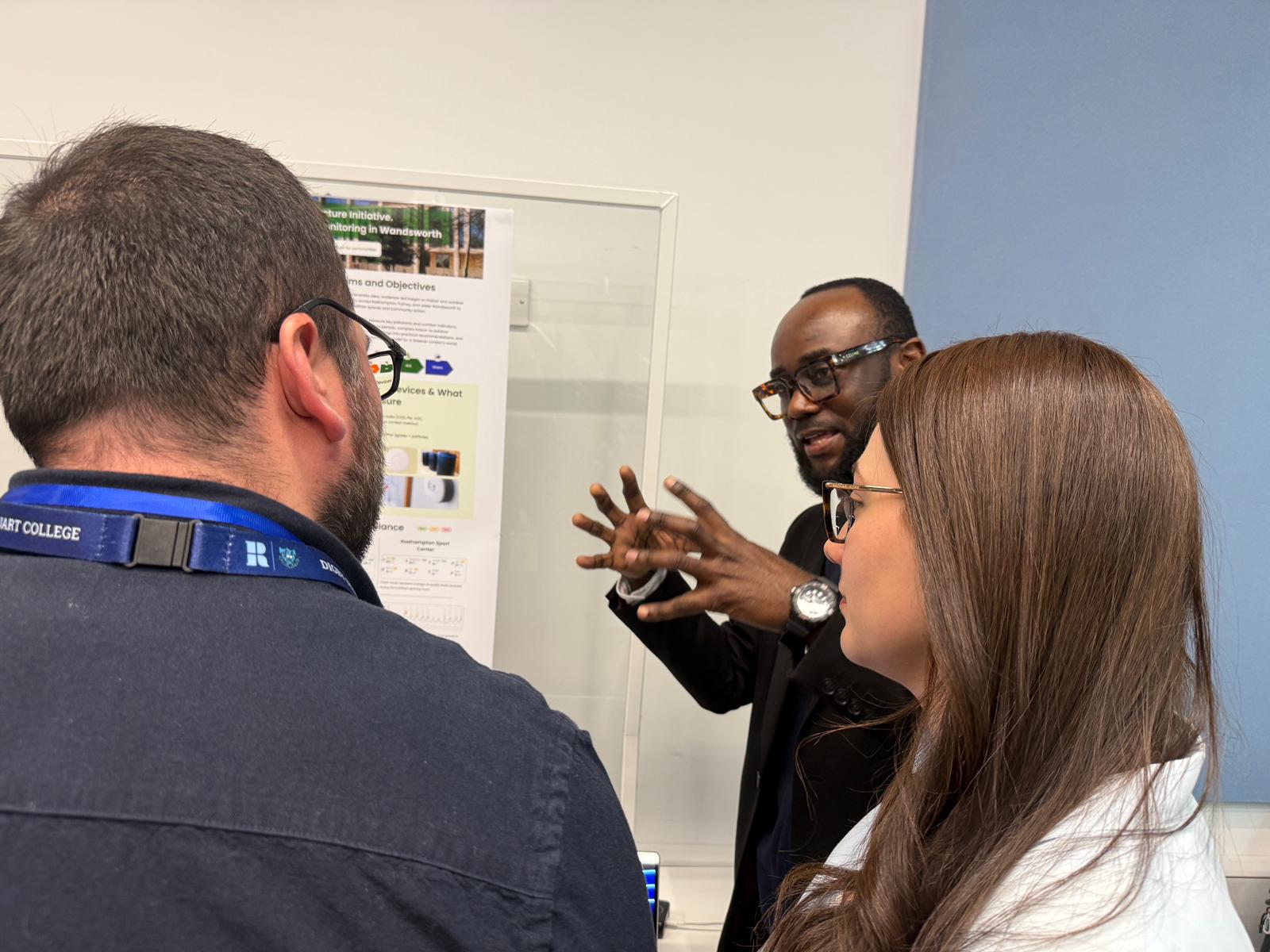 The Academic & Research Forum/Showcase
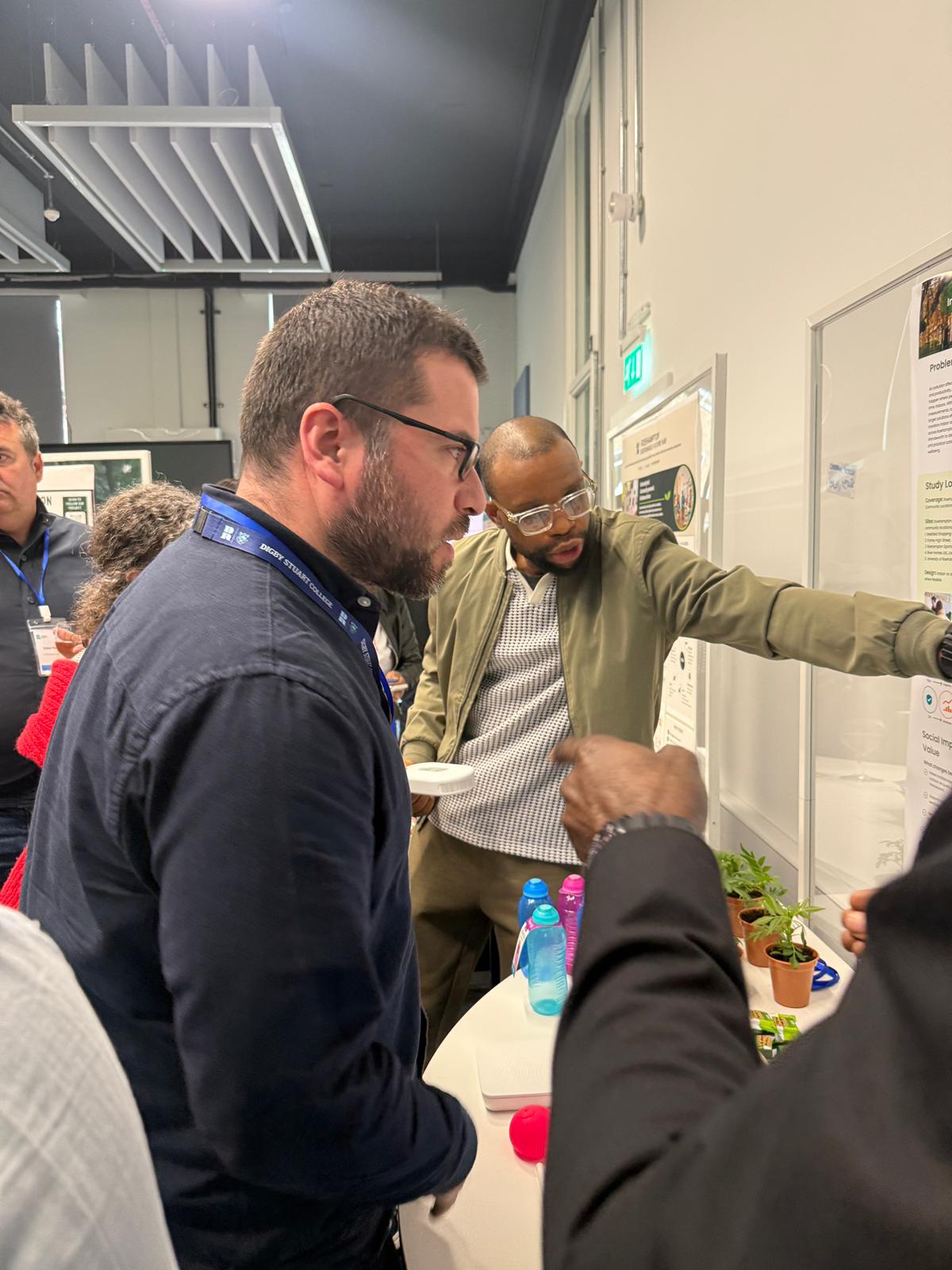 Academic & Research Forum
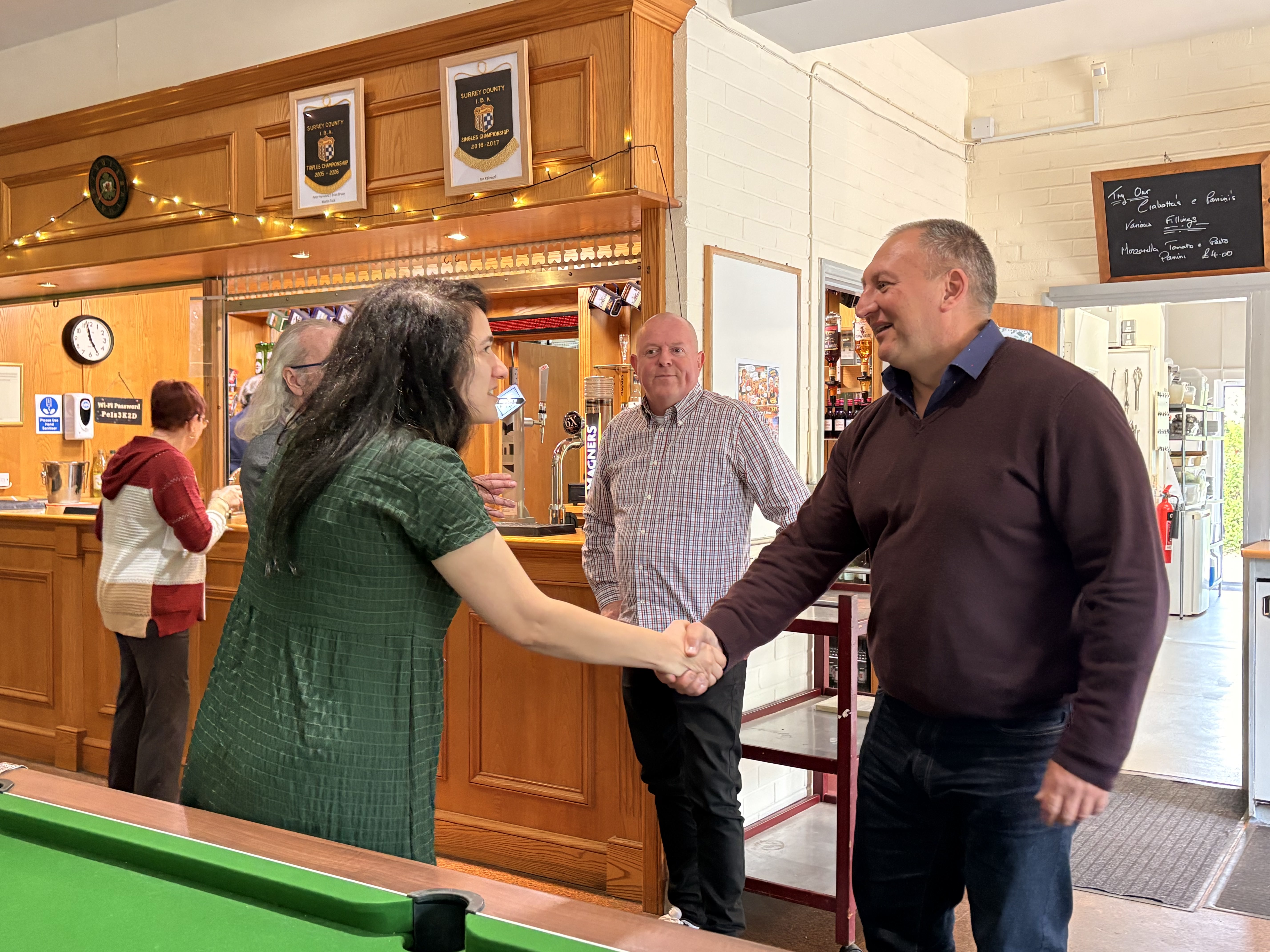 Community Forum
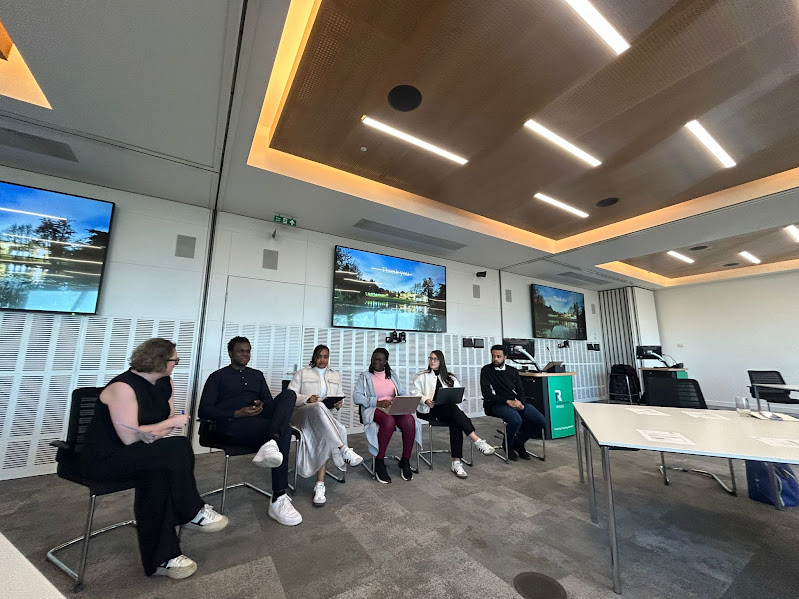 Net-Zero Roundtable
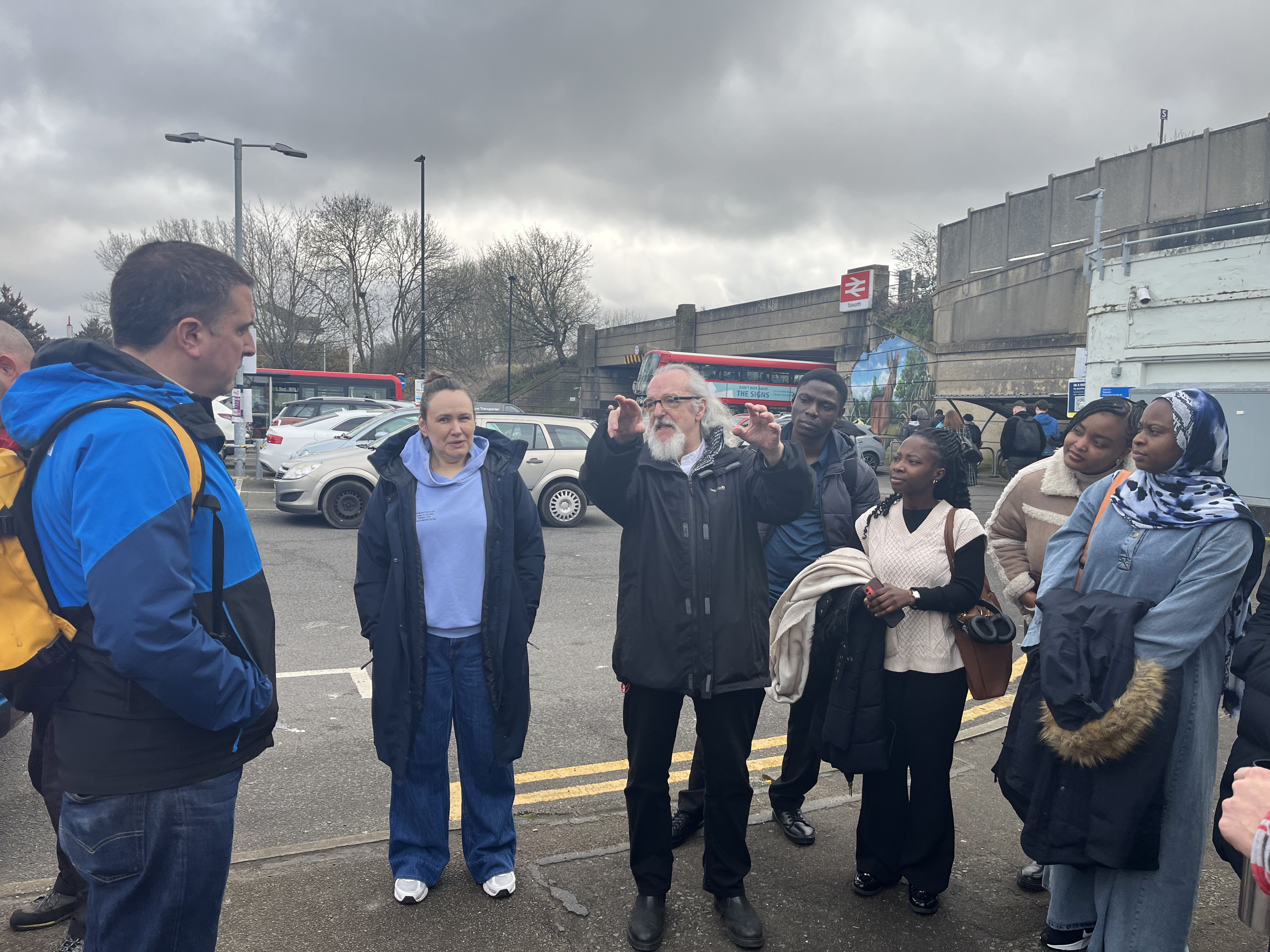 Tour of Chessington Industrial Estate
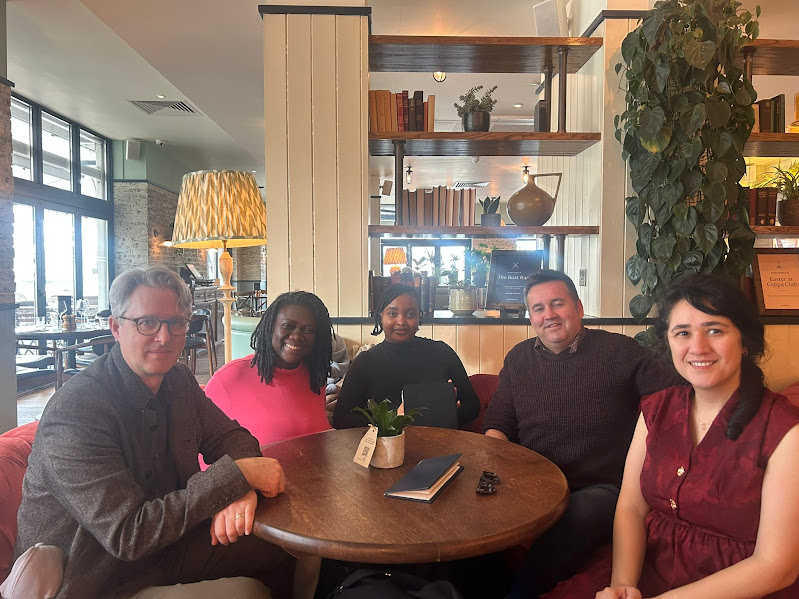 Hub team with Putney News & A Greener London
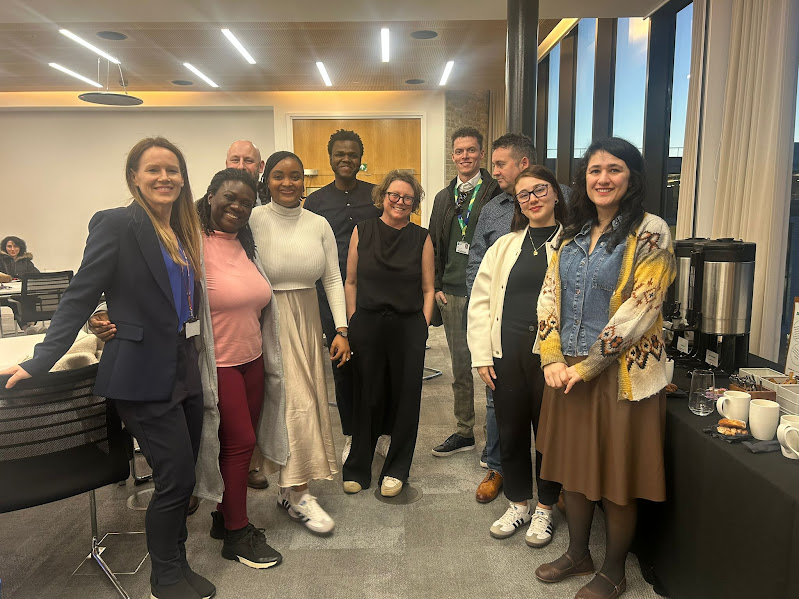 Hub Team & Partners from Wandsworth Council
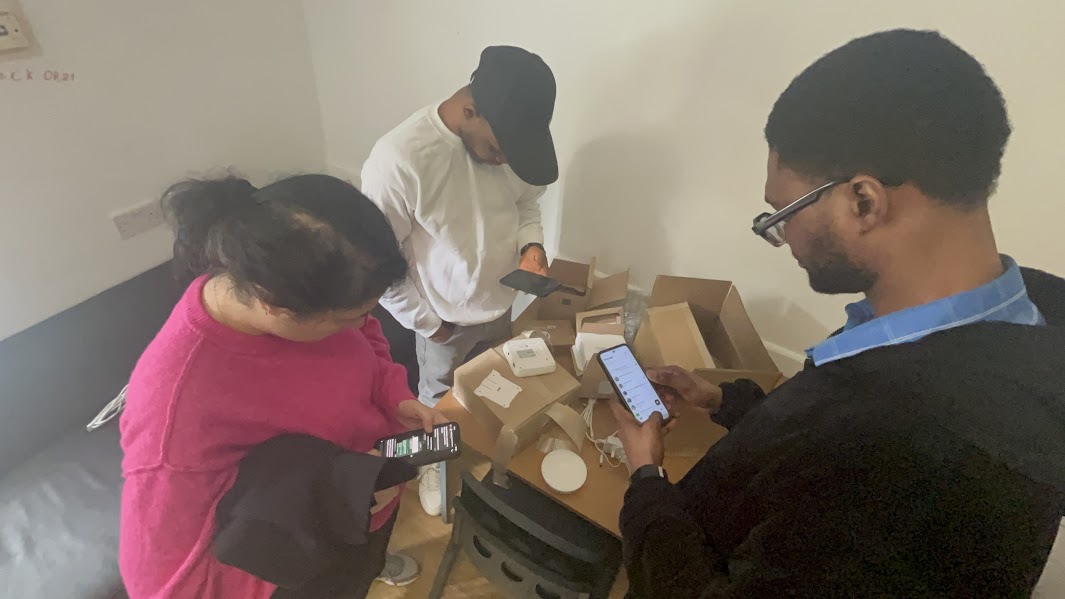 Setup of Monitoring Devices at Roehampton University
18 June 2026
Setup of Monitoring Devices at Roehampton University
18 June 2026
The second community forum continuing the conversation on sustainability, green skills and local action at Chessington Industrial Estate.
Go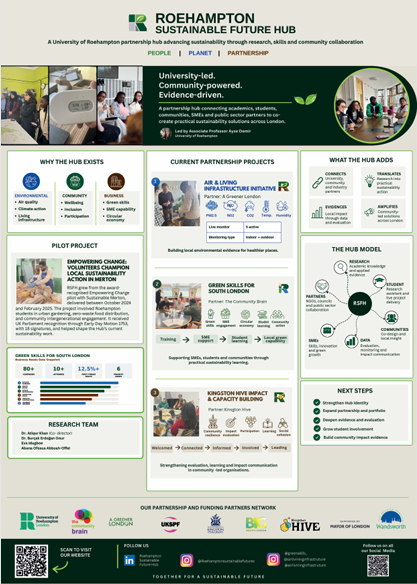 12 May 2026
Bringing together academics, industry partners and community organisations for an afternoon of collaboration, insight and impact.
Learn More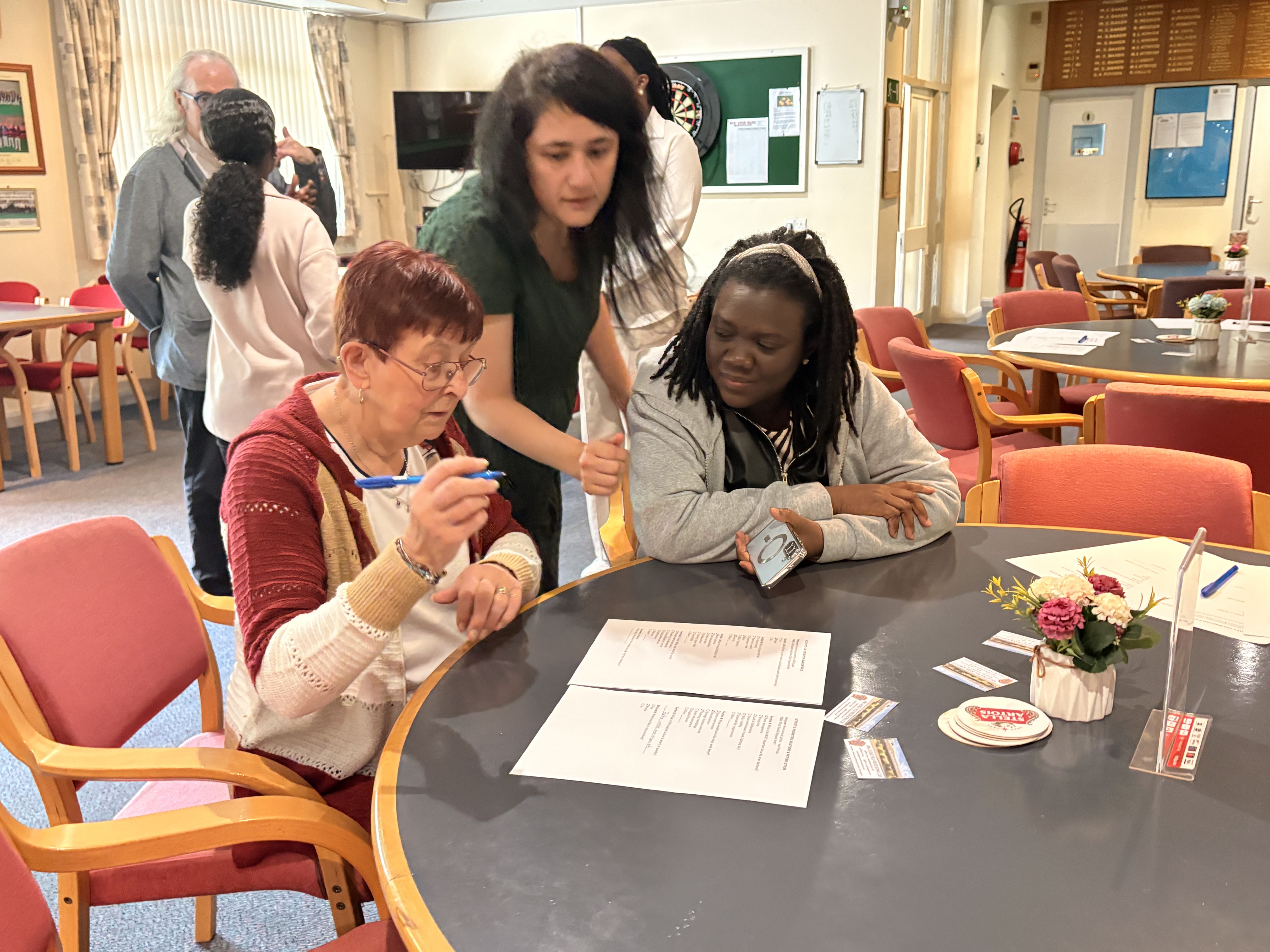 6 May 2026
Exploring nature-based solutions and air-quality innovation.
Learn MoreWhether you are a business, researcher, community organisation, or local authority — we would love to hear from you. Follow our work, get in touch, or explore how we can collaborate.